By Andrew Philip Frey
African-American church members are addressing what Pope Francis and others see as a major threat to humans: climate change.
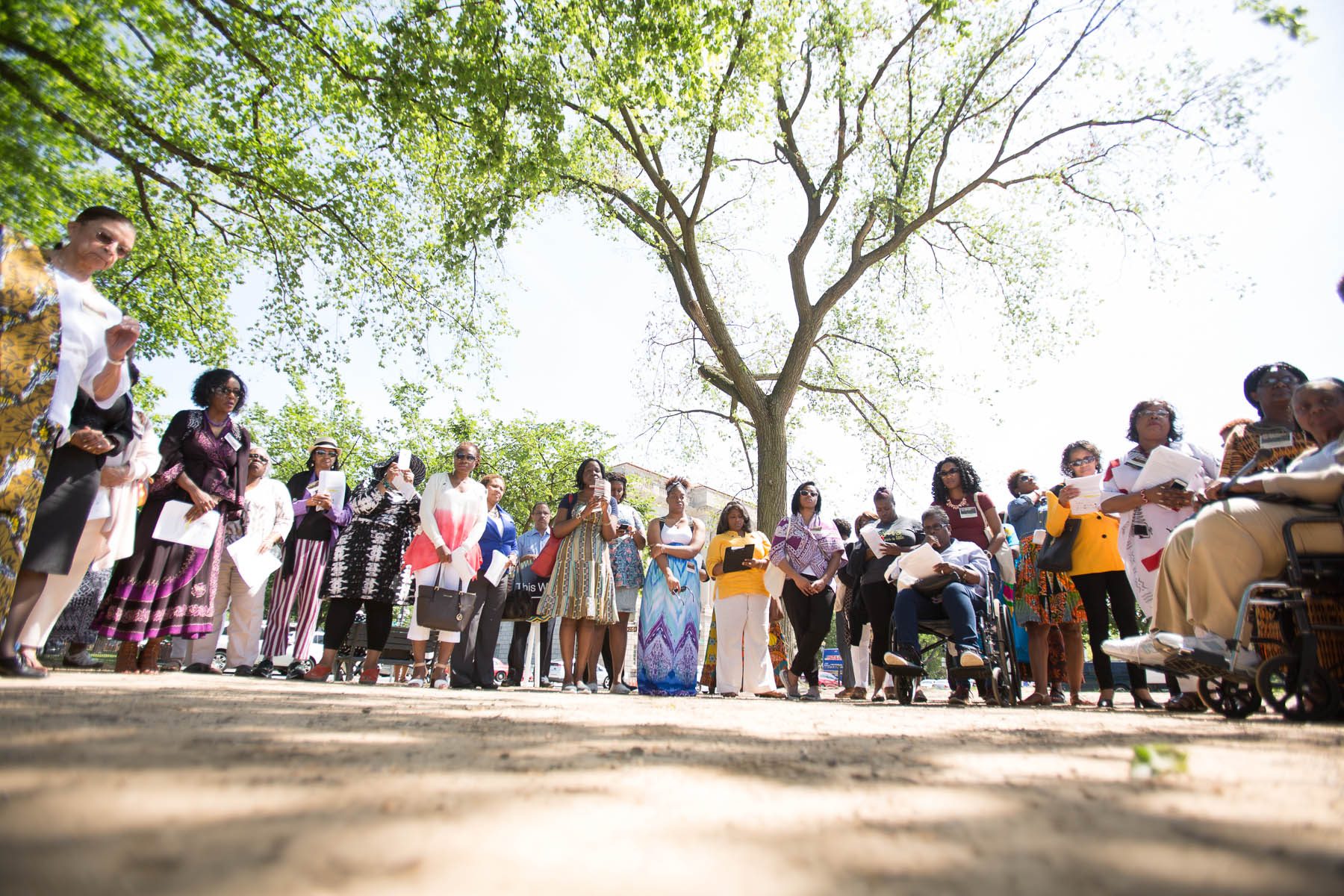
The African Methodist Episcopal Church, one of the country’s largest and oldest African-American denominations, held its general (national) conference in Philadelphia earlier this month. The conference passed a resolution on climate change.
“We can move away from the dirty fuels that make us sick and shift toward safe, clean energy like wind and solar that help make every breath our neighbors and families take a healthy one,” states the resolution, which also points to research showing that black children are four times as likely as white children to die from asthma.
The reasoning given is simple: African-Americans are disproportionally harmed by global warming and fossil fuel pollution based on where they live.
“The voices of communities whose inhabitants look like us often are dismissed or disregarded,” the resolution says. “But the world cannot afford to silence us, and we cannot afford to be – and will not be – silent. Climate change most directly impacts the poor and marginalized, but ultimately, everyone is in jeopardy.”
Jacquelyn Dupont-Walker, director of the denomination’s social action commission, stated that her church’s election mobilization group will work until the election to question the candidates on climate change. Dupont-Walker’s goal is to “hold elected officials accountable.”
According to research done by the NAACP:
- Heat-related deaths among African-Americans occur at a 150 to 200 percent greater rate than for whites.
- 71 percent of African-Americans live in counties in violation of federal air pollution standards, compared to 58 percent of the white population.
- 78 percent of African-Americans live within 30 miles of a coal-fired power plant, compared to 56 percent of whites. They are also more likely to live adjacent to a landfill or incinerator.
The denomination is a partner of Bread, and some of its 7,000 congregations and 2.5 million members across the United States participate in Bread’s advocacy to end hunger.
Bread believes that climate change and hunger are connected, saying that the world will not be able to end hunger without confronting climate change and its threat to people who are hungry and marginalized.
Andrew Philip Frey is an intern in Bread’s communications department.
Related Resources

A Shared Vision: Why Climate and Nutrition Matter for Ending Hunger
During Bread for the World’s 50th anniversary year, the Policy and Research Institute hosted its first Climate and...

WORKING TOGETHER TO END HUNGER: 2025 Legislative and Policy Achievements
A series of administrative and congressional actions this year dealt devastating blows to the United States’ international assistance...